
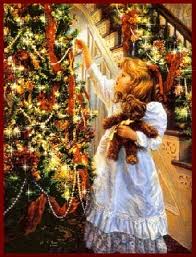
 When we picture a Regency Christmas, many of us imagine evergreen boughs, candlelight, music, family gathered around a blazing hearth — and perhaps even a Christmas tree. Some of those images are authentically English. Others arrived a little later, carried across borders by immigrants, royal marriages, and long-standing European traditions.
As a Regency romance author (and an unashamed Christmas enthusiast), I’m often asked: What did people really do at Christmas during the Regency era? And just as importantly — which customs would they have recognized as “traditional,” and which were borrowed or newly adopted?
Let’s take a deep dive into Regency Christmas customs, separating traditional English practices from those with German roots that gradually made their way into English and American homes — including those of a certain fictional family you may recognize.
Christmas in the Regency Era: A Season, Not a Day
One of the most important things to understand about Christmas in Regency England is that it was not confined to December 25th. Christmas was a season, lasting from Christmas Day through Twelfth Night (January 6) — the full Twelve Days of Christmas.
This rhythm shaped everything: meals, visits, entertainments, religious observances, and household rituals.
Traditional English Christmas Customs in the Regency
These were customs deeply rooted in English life long before the Regency period.

🌿 Evergreen Decorations (But Not Trees—Yet)
English homes were traditionally decorated with:
- Holly
- Ivy
- Bay
- Rosemary
- Mistletoe
Greenery symbolized endurance and life through winter. Traditionally, people gathered it on Christmas Eve, then arranged throughout halls, staircases, and drawing rooms.
While evergreen boughs were entirely English, the decorated indoor tree had not yet become widespread.

🔥 The Yule Log
The Yule log was one of the most cherished English Christmas traditions.
- A massive log (often oak) brought in with ceremony
- Lit on Christmas Eve or Christmas Day
- Expected to burn throughout Christmas Day
- A fragment was saved to light the following year’s log, ensuring continuity and good fortune
Its lighting was often accompanied by cheering, song, or a quiet household ritual — especially in older families.
🎶 Carols and Music
Many well-known English Christmas carols predate the Regency by centuries, including:
- God Rest You Merry, Gentlemen
- The First Nowell (yes, that is the correct spelling at the time)
- While Shepherds Watched Their Flocks
- The Boar’s Head Carol
- I Saw Three Ships
Carols rang out in homes, churches, and sometimes outdoors, often accompanied by simple instruments.
⛪ Church Services

Christmas Day services drew people from all classes.
Upper-class families attended parish churches in their finest attire, sometimes followed by charitable giving.
🎂 Twelfth Night and the Twelfth Cake
Twelfth Night (January 5 or 6) marked the joyful close of the season.
- The Twelfth Cake contained a bean and a pea
- Whoever found them became King and Queen of Misrule for the evening. And yes, sometimes two men drew the pea and bean, or two women. When that happened, it became part of the fun — a bit of chaos, teasing, and laughter, perfectly in keeping with Twelfth Night’s topsy-turvy spirit.
- Games, dancing, character cards, and playful inversion followed
The spirit of the evening was intentionally lighthearted and chaotic — a last night of merriment before ordinary life resumed.
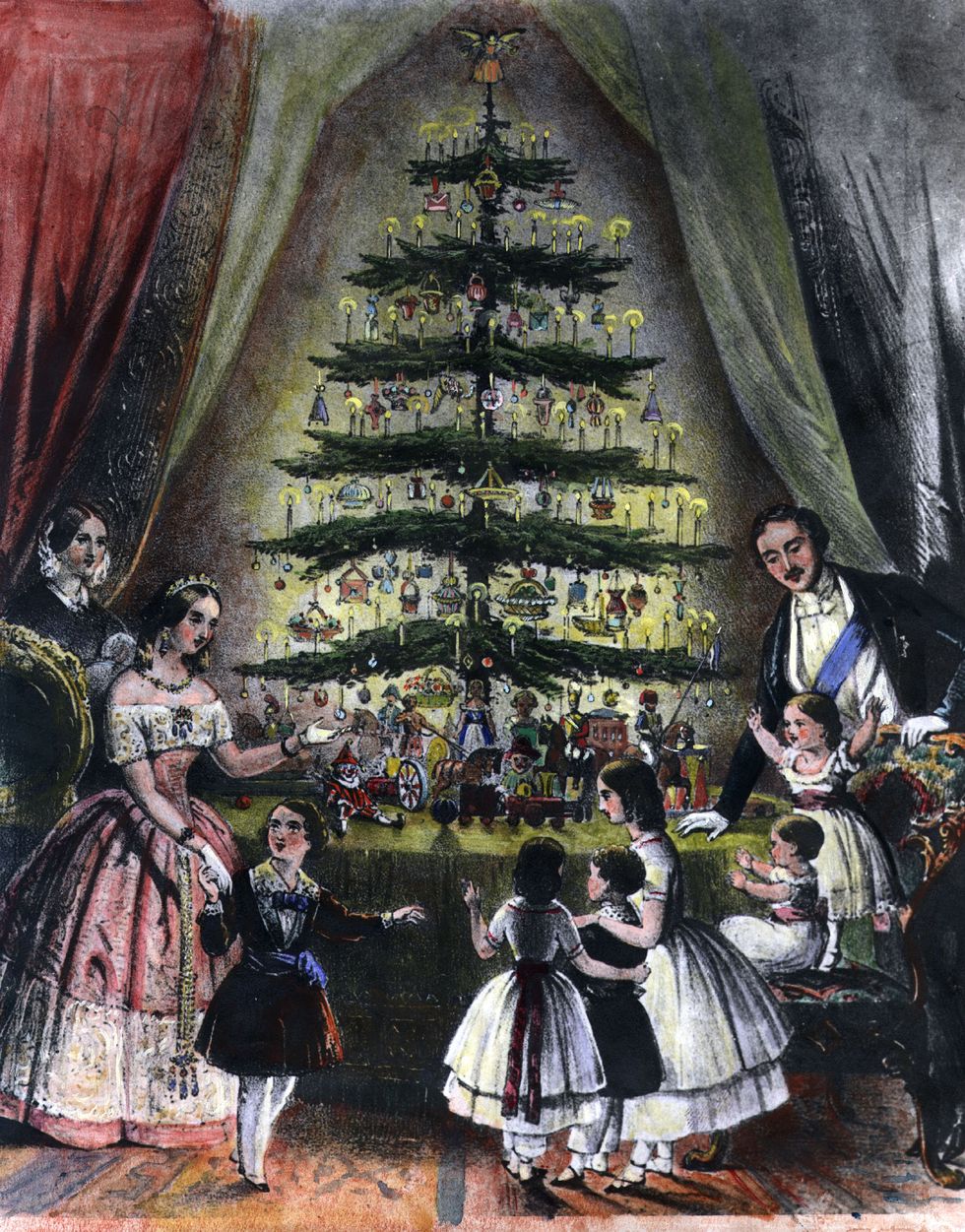
HULTON ARCHIVE//GETTY IMAGES
German Christmas Customs Adopted by the English (and Americans)
Now here is where things become especially interesting — and wonderfully useful for fiction.
🎄 The Christmas Tree (A German Import)
The decorated Christmas tree originated in German-speaking regions and was known well before the Regency.
- Trees could be anything, but most often yew, fir, or spruce had that honor.
- Decorated with candles, apples, nuts, ribbons, and handmade ornaments
- Often set up on Christmas Eve
Although not yet widespread in England, trees were known among:
- German immigrant families
- Aristocratic households with German connections
- Families influenced by continental traditions
A fictional English family with a German ancestor could absolutely have a Christmas tree without stretching plausibility.
🎶 German Carols and Sacred Music
German hymns like Lo, How a Rose E’er Blooming were well known in religious and musical circles long before the Regency and could easily appear in refined homes. Incidentally, Stille Nacht (Silent Night)” was written in German in 1818 but does not appear to have made its way to England during the Regency. Other German songs not yet sung include “O Tannenbaum” as a Christmas song because the lyrics appeared later in the 19th century, and “O Come, O Come, Emmanuel,” the English version which also appeared mid-19th century.
🕯️ Candlelit Intimacy
German Christmas celebrations emphasized:
- Candlelight
- Quiet family gatherings
- Sacred reflection mixed with joy
This influence blended beautifully with English hearth-centered traditions.
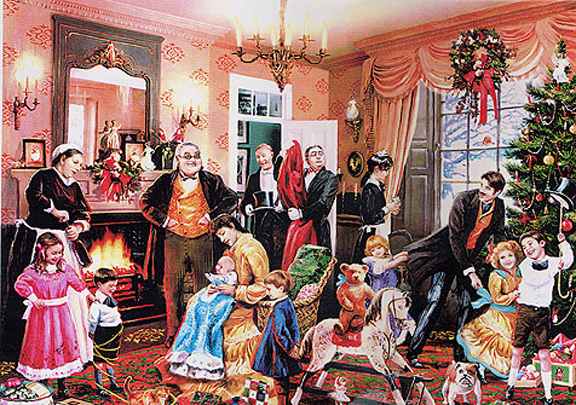 Regency Christmas — Both Public and Private
One of the loveliest truths about a Regency Christmas is how it brought together:
- Family
- Guests
- Servants
- Community
Masters and servants might share wassail and even sing together. Children often received modest gifts. (Many families gave gifts on Twelfth Night instead of Christmas Eve or Day) Those who were wealthy became more generous during this season. And yet — there was also space for grief, remembrance, and longing. Christmas did not erase sorrow; it merely softened it with ritual and hope.
Why These Details Matter (Especially in Fiction)
Understanding authentic Regency Christmas customs allows writers and readers alike to experience the season as it was truly lived — layered, evolving, and deeply human. It also reminds us that traditions are not static. They travel. They adapt. They are shaped by love, loss, and memory. Which brings me, gently, to my own story.
 A Final Note for Readers Who Love Regency Christmas Romance
If you enjoy immersive historical detail, candlelit drawing rooms, family gatherings filled with warmth (and just enough tension), and a Christmas season that heals old wounds while kindling new love — you may enjoy my latest Regency Christmas romance, where many of these traditions come vividly to life with a family who blends English and German traditions.
Christmas, after all, has always been about more than custom. It’s about coming home — to family, to faith, and sometimes, to love.
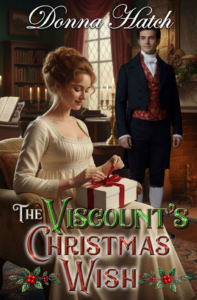
The Viscount’s Christmas Wish
All she wanted was to fulfill a dying earl’s Christmas wish. She never expected her own heart to whisper one. Raised as a lady but now employed as a companion, Adelaide has learned to keep her head down and her expectations low. But when the earl who treats her like family wishes for a last Christmas like his family once celebrated, Addie vows to make it magical. From burning a Yule to hanging mistletoe balls, she aims to revive every lost tradition—and most importantly, gather the earl’s children for Christmastide joy.
There’s just one problem: the earl’s eldest son, Lord Deverre.
Convinced Adelaide’s kindness masks a fortune hunter, Deverre guards his father and his heart. Yet as they search snowy forests for yuletide greenery, sing cherished carols, and skate across London’s legendary Frost Faire, suspicion melts into something far more dangerous—budding love. When secrets clash with mistrust and threaten their fragile peace, it will take more than mistletoe—and one heartfelt wish—to bring them together. Can a Christmas miracle teach them that love and trust are the most enduring gifts?
Perfect for fans of Regency Christmas romance, swoony holiday love stories, and Christmas magic that lasts long after Twelfth Night.
The Viscount’s Christmas Wish is available in ebook, Kindle Unlimited, and paperback.
May all your Christmas traditions be magical!
