
When we picture the Regency Era, we often think of courtship rituals, social events, and glittering ballrooms, but routine, etiquette, and social expectations shaped daily life in Regency England just as much. The rhythm of a typical day revealed much about class, gender expectations, and the social values of the era. Here’s a look at what an ordinary (or not-so-ordinary) day might have looked like for a lady or gentleman of the Regency period.
A Typical Day in Regency England: Morning Routines, Gentle Beginnings & Social Expectations
A typical day in Regency England looked very different depending on one’s rank, gender, and whether one lived in London or at a country estate.
A Lady’s Daily Life
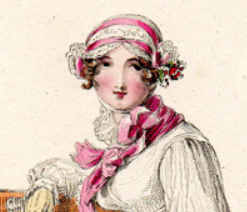
A Regency lady’s morning began quietly. She usually woke around 8:00 or 9:00 a.m., unless living in a bustling household or a fashionable London townhouse during the Season.
Her lady’s maid would bring:
- A light breakfast — often bread or croissants, and tea — taken privately in her room and sometimes in bed
- A warming pan for the bed in winter
- Hot water for washing
After dressing in a morning gown — typically simple muslin, often with a fichu tucked in the neckline for warmth or modesty, and sometimes a mobcap, she might begin her day with:
- A family breakfast in the morning room or breakfast room
- Reading and writing letters
- Pouring over the latest ladies’ fashion magazine, such as Ackermann’s Repository or La Belle Assemblée
- A walk in the garden, weather permitting
These quiet routines were an essential part of how Regency ladies spent their days and maintained the accomplishments expected of them.
Late Morning and afternoon
Regency Ladies: Duties, Accomplishments, Self improvement, Social Calls
Late morning and early afternoon was the time for “accomplishments”— skills meant to refine a lady’s education and make her desirable in society and performing household duties
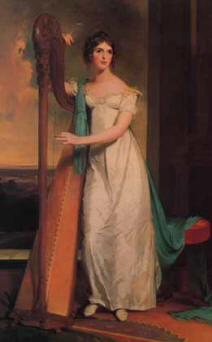 These included:
- Assisting the housekeeper with planning menus (especially if the lady was the mistress of the house)
- Practicing music — pianoforte, harp, or singing were very popular
- Drawing or watercolors
- Needlepoint
- French lessons–Italian and German were also popular
- Charity visits
- Spending time at home with the family
- Shopping–remembering to take a footman or two to carry parcels
- In the country, walking, often with friend
- In Town, meaning London, promenading—either walking or riding at the park, dressed in fine attire to be seen. (read more about ladies walking fashions here)
Social Calls Etiquette
Social calls were a major part of Regency etiquette and social customs, and they came with surprisingly strict rules.
- The time for social calls was usually between noon and 4:00 p.m.
- Social calls had rules: call too early and you appeared uncouth
- Stay too long and you became a nuisance.
- In London, people often had “at home” hours when they were available to receive callers. The callers kept track of the days and hours that their friends were available so they knew when to call.
A Regency Gentleman’s Daily Life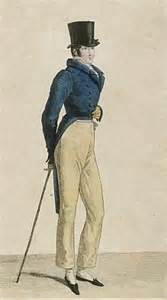
This glimpse into a gentleman’s morning routine shows how structured the daily schedule of a Regency gentleman could be.
He often began earlier than a lady, around 7:00 to 8:00 a.m. His valet would assist him with dressing, shaving, and brushing clothes.
Breakfast might be taken in:
- His room (especially in London)
- A family breakfast room
- A club, if he was in London and already out for business calls
A Regency Gentleman’s activities varied widely depending on rank and occupation. Depending on his station, he might spend the day:
- Riding in Hyde Park first thing in the morning
- Reviewing estate accounts
- Visiting tenants or land stewards
- Reading newspapers to keep abreast of politics and society
- Attending Parliament, if he were a peer or MP
- Meeting business contacts or lawyers
- Inspecting his horses or hounds
- Visiting tailors, barbers, or bootmakers
- Paying calls on friends or family
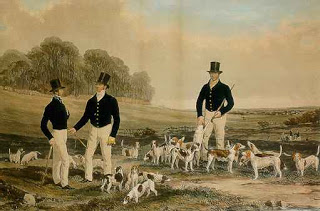 The afternoon was also prime time for sport and courting:
- Boxing or fencing
- Hunting or shooting (in the country)
- In London, he might also visit his club (White’s, Brooks’s, Boodle’s, etc. (Read more about Gentlemen’s Clubs here
- Taking a lady for a carriage ride or paying her a call
Evening: Entertainment, Society, and Quiet Hours
Dinner: The Most Important Meal of the Day
Dinner times shifted during the Regency. What was once a midday meal steadily crept toward the evening.
By the 1810s, fashionable dinner occurred around 5:00–7:00 p.m.
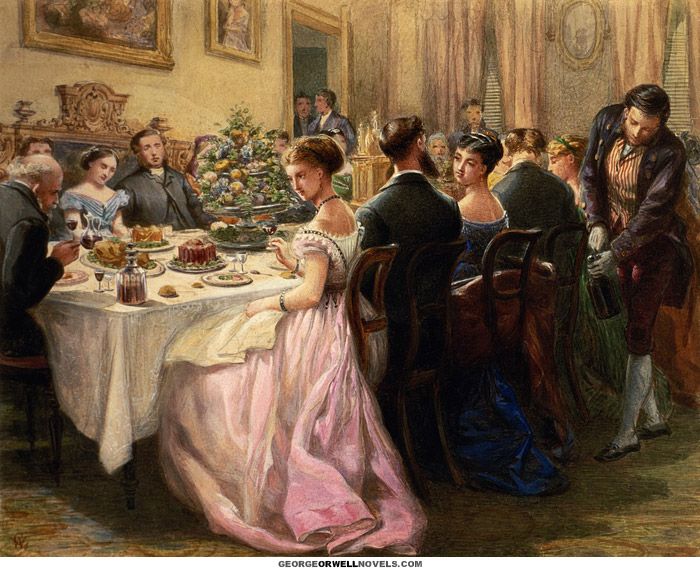 Dinner for Ladies & Gentlemen
Dinner was a formal affair — even within the family — involving:
- Changing into formal dinner attire
- Multiple courses served in the French style (all dishes at once)
- Wine throughout (though ladies drank less conspicuously)
- Strict seating arrangements
- Polite conversation, carefully navigated
After dinner:
- Ladies withdrew to the drawing room, leaving the gentlemen to drink port and discuss politics, horses, or business.
- Gentlemen eventually rejoined the ladies for tea, cards, or music
Evenings reveal some of the most iconic elements of Regency society and entertainment, from private musicales to lavish London balls — especially during the Season in London.
Common Evening Activities
- Attending a ball or assembly
- Going to a concert or the opera
- Visiting friends for cards or a musicale
- Hosting or attending a dinner party
- A quiet family evening with books or music or needlework
If out at a ball or party, the night could stretch well past midnight, especially in London.
Retiring for the Night
A lady’s maid or a gentleman’s valet helped them undress and prepare for bed. Most ladies needed help removing their stays. (read more about ladies’ undergarments here and specifically stays here) A lady might have her hair brushed out, creams applied, and clothes laid out for the morning.
Sleep came late — sometimes very late — depending on the evening’s social calendar.
The Differences Between Town and Country:
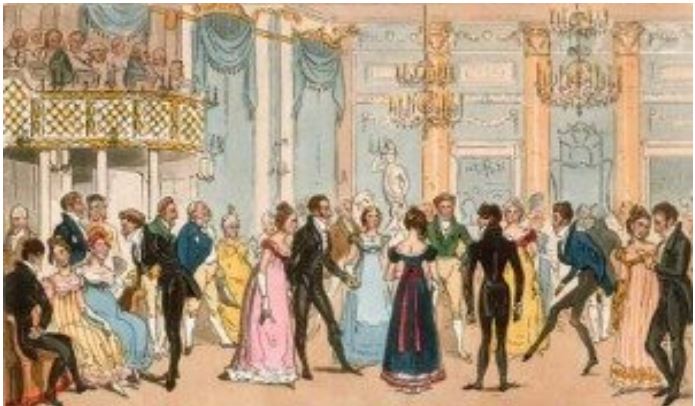 Life in London:
- More social commitments
- Balls, operas, and endless visits
- Earlier mornings and later nights
- Greater formality and fashion pressure
Life in the country:
- Slower pace
- Estate management
- Outdoor activities (hunting, walking, visiting tenants)
- Fewer large events, but more intimate dinners and visits
The same lady or gentleman could experience very different daily rhythms depending on where they lived.
What These Routines Tell Us About Regency Life
A Regency day wasn’t just a schedule — it reflected the values of the era:
- Social appearances mattered
- Gender roles were sharply defined
- Leisure and accomplishment were status symbols
- Courtesy and good breeding shaped daily interactions
- Household staff made much of the comfort possible
Understanding a typical day in Regency England helps us better appreciate the customs, restrictions, and social rhythms that shaped the Regency world.

What if a Lady in regency refused to do these and stand up for herself and do her own independent thing like go to work, have her own business, have a pet?
Women could and did have their own businesses and they certainly did have pets. Just as a gentleman was expected not to sully his hands with work, ladies were expected not to work, either. The types of work that were acceptable for gentlemen were what we could call white collar such as physicians (but not surgeons), barristers, clergy. Acceptable ladies’ jobs included being a ladies companion and a governess, but ladies who “had” to work were pitied by members of the upper classes. Ladies who really wanted to have a cause but didn’t need the money often got involved with charity work. But just as there are non-conventional women now, there were non-conventional women then. They just had to be prepared for the social consequences.
I really enjoyed reading that! I can imagine living in those times!! Sounds lovely!!!!!