
Dear Reader,
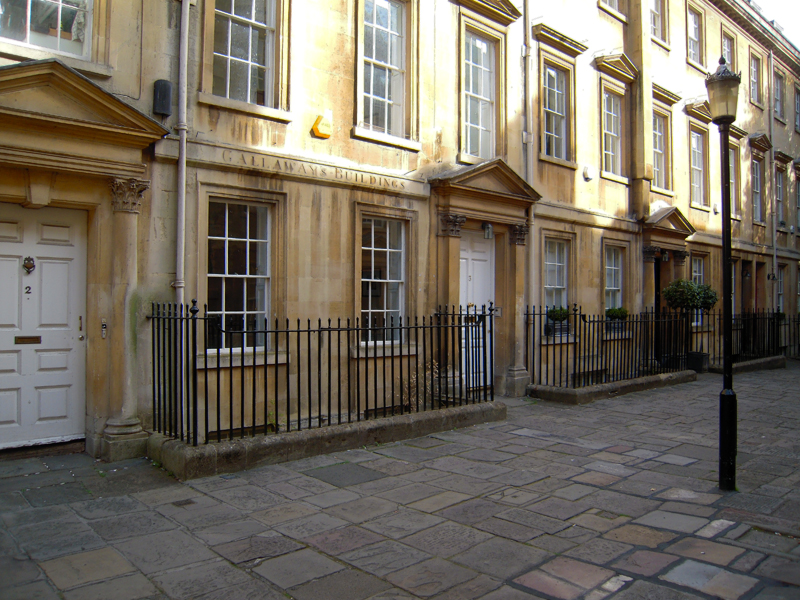 What would you see if you walked down the main street of a Regency village?
Would it look like a quiet row of cottages—or a lively marketplace filled with bakers, blacksmiths, milliners, and apothecaries?
Regency England was often called “a nation of shopkeepers,” and in many ways, that description fits. Nearly every item a person needed—from bread and bonnets to books and horse harnesses—could be purchased from a specialized shop. Whether you are writing historical fiction, researching the Regency Era, or simply curious about daily life in early 1800s England, understanding Regency England shops and businesses helps bring the world to life.
Let’s explore the most common shops in Regency England, especially those found in rural towns and villages like those in Kent.
 Clothing Shops in Regency England

Clothing during the Regency was not mass-produced. Most garments were made locally or altered to fit, which meant clothing-related shops were essential in every town.
Common clothing businesses included:
- Haberdashery – buttons, ribbons, lace, thread, and sewing notions
- Linen Draper – fabrics and textiles for gowns and clothing
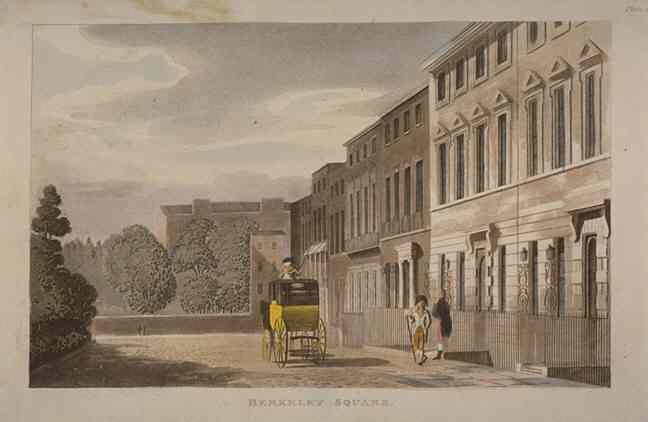 Tailor – men’s coats, waistcoats, breeches, and shirts
- Dressmaker or Modiste – fashionable gowns for ladies
- Millinery – bonnets and ladies’ hats
- Cobbler or Cordwainer – boots and shoes
- Hosier – gloves and stockings
- Jeweler or Goldsmith – jewelry and fine accessories
Wealthy ladies typically visited a modiste for their gowns, while gentlemen relied on a trusted tailor. In smaller villages, one shop might combine several of these trades.
Food Shops in Regency England
Every town needed reliable food sources, and these were often the busiest shops in the village.
Typical food-related businesses included:
- Bakery – bread, sweet buns, and pastries
- Butcher – meat and poultry
- Green Grocer – fruits and vegetables
- Dairy – milk, butter, and cheese
- Tea and Coffee Merchant – tea, coffee, and imported goods
- Pastry Cook – pies, cakes, and desserts
- Chandler – candles, soap, and sometimes staple foods
- Costermonger – produce sold from carts
Social life often revolved around food establishments such as:
- Tea shops
- Coffee houses
- Taverns and inns
The local inn was often the heart of the village, serving travelers, hosting meetings, and providing meals.
Household and Trade Shops in Regency England
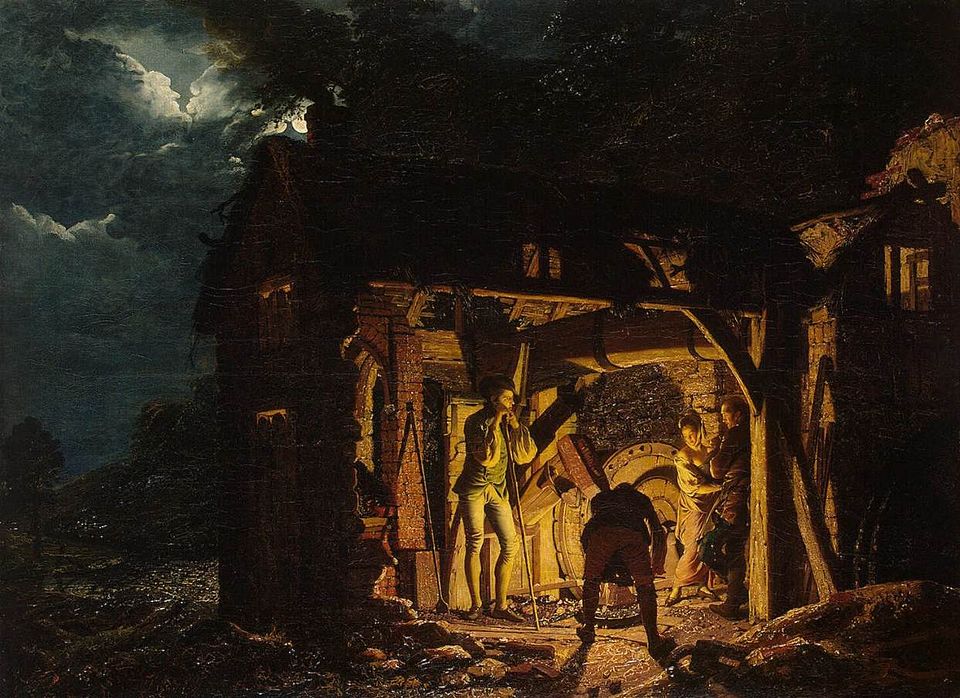
Running a household required many skilled trades, especially in a town serving a nearby estate or great house.
Common practical shops included:
- Ironmonger – tools, nails, and household hardware
- Chandler – candles and soap
- Blacksmith – horseshoes and metalwork
- Carpenter – furniture and woodwork
- Glazier – glass and windows
- Coachmaker – carriages and repairs
- Wheelwright – wagon and carriage wheels
- Upholsterer – furniture and carriage interiors
The blacksmith was often one of the most important people in town since horses were essential for transportation and farm work.
 Books, Writing, and Cultural Shops
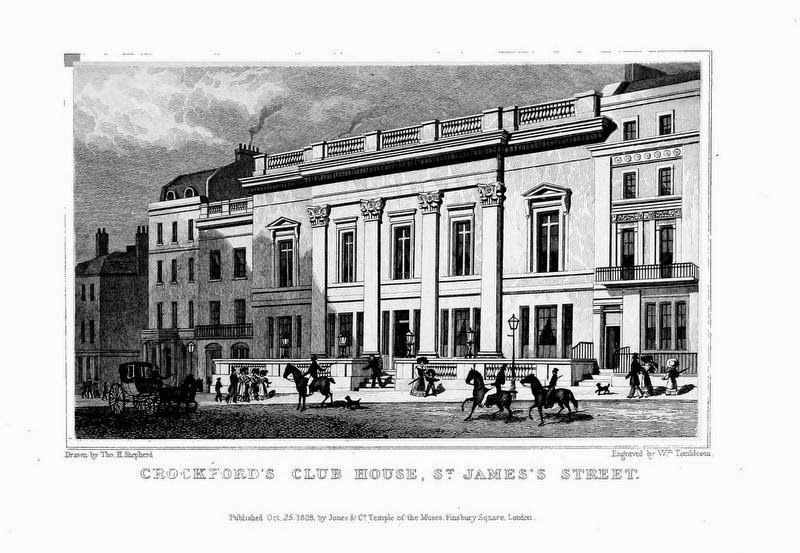
The Regency Era valued education, reading, and refinement, particularly among the middle and upper classes.
You might find:
- Bookseller
- Stationer (paper, ink, and writing supplies)
- Lending library
- Print shop
- Music seller
- Engraver
In many towns, the bookseller and stationer also operated the lending library, allowing readers to borrow novels and popular literature.
For a Regency heroine, the lending library was often a favorite destination.
Medical and Professional Services
Even small villages needed essential professional services.
Common businesses included:
- Apothecary – medicines and medical care
- Pawnbroker – loans secured by valuables
- Solicitor – legal services
- Surgeon (often working with the apothecary)
The apothecary frequently served as the town’s primary doctor, treating illnesses and injuries when a physician was unavailable.
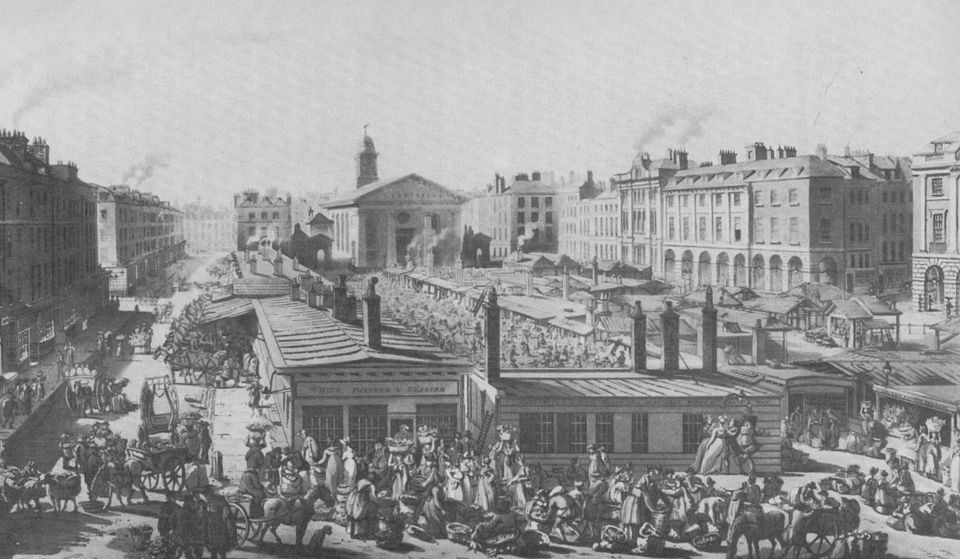 Horse and Travel Shops in Regency England
Since horses were the main form of transportation, horse-related trades were crucial in every Regency town.
These businesses often included:
- Blacksmith
- Saddler
- Harnessmaker
- Coachmaker
- Wheelwright
- Livery stable
- Inn with post horses
A town located near a great house or main road would almost certainly have several of these trades.
Shop Combinations in Regency Villages
Not every shop had its own building. Many businesses were combined to make trade more profitable.
For example:
- Bookseller + stationer + lending library
- Haberdasher + linen draper
- Tailor + outfitter
- Inn + coach services + stables
- Apothecary + general medical care
A small village might have only a dozen buildings but still provide all essential services.
Quick List of Regency England Shops
Here is a simple reference list of common Regency businesses:
- Apothecary
- Baker
- Blacksmith
- Bookseller
- Butcher
- Chandler
- Cobbler
- Dressmaker/modest
- Green grocer
- Haberdasher
- Inn
- Ironmonger
- Milliner
- Saddler
- Tailor
- Tea merchant
This list represents the core businesses found in many Regency towns and villages.
 Final Thoughts
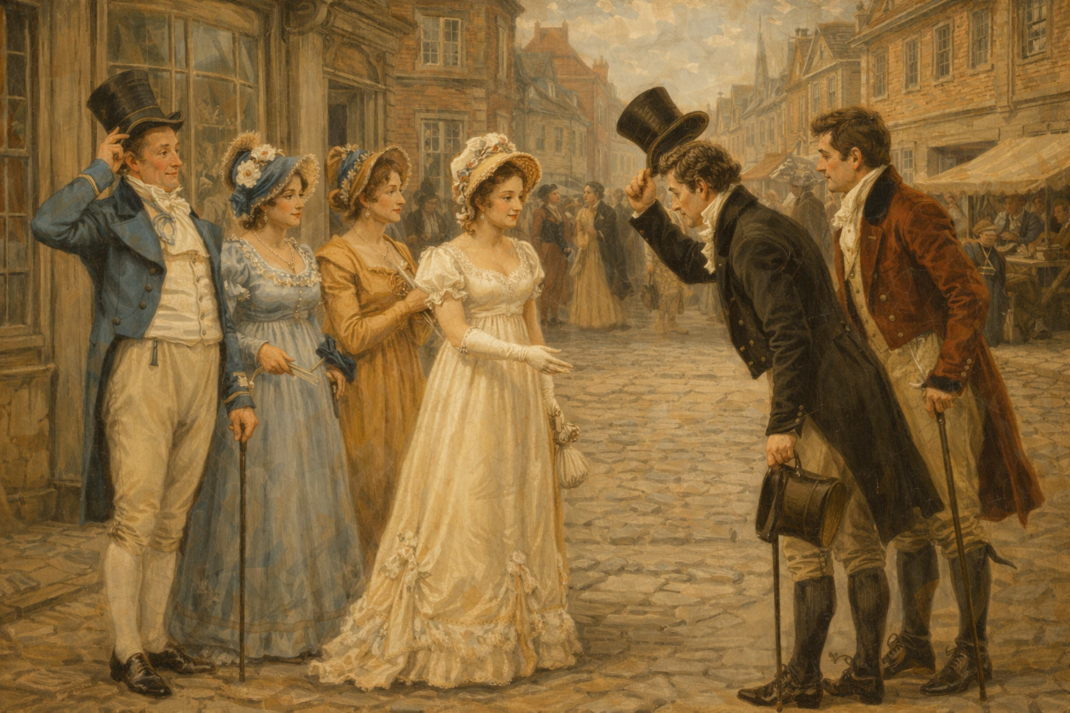
A Regency village was far more than a quiet cluster of cottages. It was a thriving network of tradespeople who supported daily life, from baking bread to shoeing horses to sewing gowns.
Whether you are writing historical fiction or simply exploring the Regency Era, understanding what shops existed in Regency England helps create a vivid and believable setting. A well-built village brings stories to life and helps readers feel as though they are walking down the street alongside your characters.
What Regency shop would you most enjoy visiting—the milliner, the lending library, or the bakery with fresh sweet buns?
I’d love to hear your thoughts in the comments.
Love, Donna
